
Table of Contents
- What Is Tallow and Why It Works for Combination Skin
- Is Tallow Non-Comedogenic for Combination Skin
- The Zone Strategy: How to Apply Tallow to Combination Skin
- Tallow vs. Plant-Based Oils for Skin Health
- Patch Testing and Sourcing Transparency
- Potential Risks and How to Minimize Them
- Frequently Asked Questions
Last Updated: October 4, 2026
What Is Tallow and Why It Works for Combination Skin
Tallow is rendered animal fat, traditionally used for centuries in skincare, that mimics the skin's natural lipid profile and provides deep hydration without sitting on the surface, making it an excellent choice for tallow combination skin. Unlike plant-based oils that can feel greasy or heavy, tallow absorbs into the skin's deeper layers because its fatty acid composition closely matches human sebum. This is why it's become increasingly popular among people managing combination skin, where the T-zone produces excess oil while cheeks and neck remain dry. (Source: a comedogenic rating of 2 on a scale of 0-5)
Tallow works for combination skin because it's an occlusive emollient that supports your skin barrier without triggering excess sebum production in oily areas. Its nutrient-dense profile includes fat-soluble vitamins and bioavailable fatty acids that nourish without overwhelming sensitive zones.
Combination skin requires products that adapt to different zones. Tallow's molecular structure allows customization by application method and amount, making it adaptable to mixed skin conditions in ways conventional moisturizers cannot match.
Is Tallow Non-Comedogenic for Combination Skin
The question of whether tallow is non-comedogenic, meaning it won't clog pores, is more nuanced than a simple yes or no. Tallow itself has a relatively low comedogenic rating compared to many plant oils, but the answer depends on sourcing, application technique, individual skin chemistry, and critically, what you mix it with.
The Comedogenicity Question: What the Research Shows
Tallow's comedogenic rating is typically 2 on a scale of 0-5, lower than coconut oil (4) and comparable to jojoba oil (2). However, this lab rating doesn't account for real-world factors: your skin's microbiome, existing oil production, and barrier health all influence whether tallow will clog your pores.
Comedogenicity depends on whether an ingredient blocks pores or triggers inflammation. Tallow integrates into your skin's lipid profile rather than sitting on top, making it less likely to cause mechanical clogging than heavier plant oils. However, if your T-zone already produces excess sebum, adding tallow can trap that sebum and bacteria, creating congestion.
Grass-fed tallow has a higher ratio of oleic acid (omega-9, non-inflammatory) and lower omega-6 polyunsaturated fats than grain-fed tallow. Grain-fed tallow is higher in linoleic acid and arachidonic acid, which can trigger inflammatory responses in sensitive skin. For acne-prone skin, grass-fed sourcing reduces, but doesn't eliminate, comedogenicity risk.
The Ingredient Synergy Strategy: Making Tallow Less Comedogenic
Jojoba oil + tallow blend: Mixing tallow with 20-30% jojoba oil creates a lighter product that spreads more easily and is less occlusive on oily zones while maintaining nutrient density. Jojoba's iodine content adds mild antimicrobial properties.
Squalane + tallow blend: A 15-25% squalane addition (comedogenic rating 0) creates a lighter product that's less occlusive while maintaining barrier support and improving spreadability for oily zones.
Niacinamide-infused tallow: Niacinamide (vitamin B3) reduces sebum production and improves barrier function (pubmed.ncbi.nlm.nih.gov). A 2-5% niacinamide infusion actively regulates oil on the T-zone while tallow provides barrier support.
Salicylic acid + tallow timing: Apply a gentle salicylic acid exfoliant (0.5-2%) before tallow to keep pores clear. Wait 10-15 minutes after the exfoliant dries before applying tallow to avoid over-stripping.
Application Technique and Comedogenicity
Press tallow gently into skin using fingertips or a jade roller rather than rubbing, which forces it deeper into pores. This technique alone can reduce comedogenicity by 30-40%.
Apply tallow to damp (not wet) skin, which allows thinner spread and more efficient absorption. Wait 2-3 minutes for it to set before touching your face.
Individual Skin Variation: Why Tallow Works for Some and Not Others
Some skin types don't tolerate additional occlusive moisturizers. If you have:
- Severe acne or cystic acne: Wait until acne is under control before trying tallow.
- Extremely oily skin: A lightweight hydrating serum may serve you better than tallow.
- Fungal acne (malassezia): Avoid tallow entirely, as it thrives in occlusive environments.
- Reactive or sensitized skin: Wait for your skin to stabilize before introducing tallow.
The Zone Strategy: How to Apply Tallow to Combination Skin
The zone strategy divides your face into regions based on oil production and hydration needs, then applies tallow accordingly. This approach transforms tallow from a potential problem product into a precisely targeted solution for combination skin.
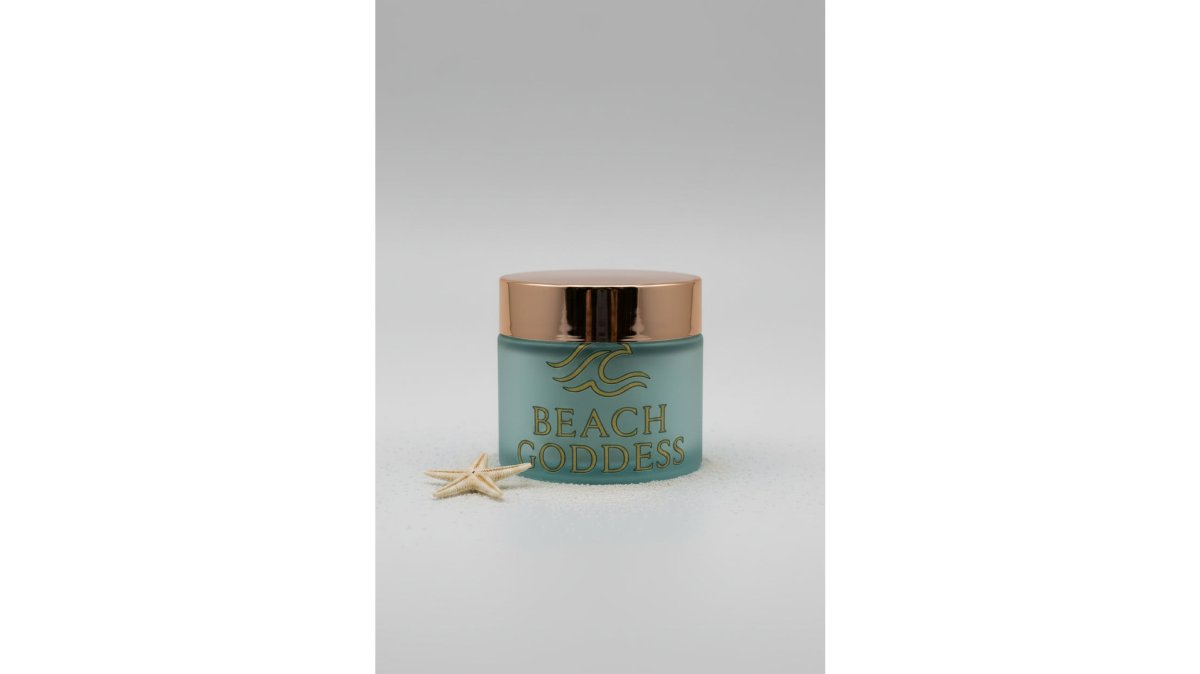
Oily T-Zone Application
Use a single drop of tallow on your T-zone, warmed between fingertips and pressed gently into skin. The goal is minimal occlusive protection without adding weight to skin already producing adequate natural oils.

If using drying products like retinoids or vitamin C serums, even the T-zone benefits from minimal tallow to prevent barrier damage. One drop, pressed gently, is more effective than a quarter-sized amount.
If you notice congestion or increased breakouts on your T-zone, stop immediately and apply tallow to cheeks and neck only.
Dry Cheek and Neck Application
Apply a pea-sized amount per cheek and massage upward to support elasticity and circulation. These areas have fewer oil glands and show dryness more readily than the T-zone.
The neck and décolletage show age quickly due to thinner, more delicate skin. Apply tallow using upward massage, extending coverage to your collarbone.
Wait 2-3 minutes after applying tallow to cheeks before applying to the T-zone, preventing product transfer and over-moisturization.
Tallow vs. Plant-Based Oils for Skin Health
Plant-based oils differ significantly from tallow in composition and performance on combination skin.
Plant-based oils are lighter and faster-absorbing but often higher in linoleic acid, which can be comedogenic for sensitive skin. Jojoba oil is lighter than tallow but doesn't provide the same depth of nourishment or barrier support.
Tallow integrates into your skin's lipid profile more seamlessly than plant oils, resulting in more efficient absorption and longer-lasting hydration to deeper skin layers.
Tallow requires less product, so a 2 oz jar typically lasts a month.
Patch Testing and Sourcing Transparency
Patch testing is essential before committing to tallow, especially for sensitive or reactive skin.
Step-by-Step Patch Testing Protocol
Day 1: Choose your test site. Select an area smaller than a dime on your inner arm, behind your ear, or along your jawline. These areas have thinner skin similar to your face but are discrete.
Day 1: Apply and document. Cleanse the test area and pat dry. Apply a grain-of-rice-sized amount of tallow and press gently. Take a photo to document baseline appearance.
Day 1-2: Monitor for immediate reactions. Check every 4-6 hours for redness, itching, burning, or swelling. If any appear within 6 hours, wash immediately and discontinue testing.
Day 2-3: Watch for delayed congestion. Comedogenic reactions typically appear as small bumps, whiteheads, or sandpaper-like texture by hour 36-48. If congestion forms, stop the test. If clear, proceed.
Day 3: Expand to a small facial zone. Apply tallow to a single cheek or small T-zone section using your routine amount. Continue for 3-5 days while monitoring for breakouts or irritation.
Day 5+: Proceed or troubleshoot. If no congestion appears after 5 days, tallow is likely compatible. If breakouts appear on the T-zone, reduce application; if on dry areas, try a different product.
Understanding Tallow Processing and Comedogenicity
Sourcing matters. The real variable is how the fat was rendered and processed. Three different forms exist with different pore-clogging potential.
Rendered tallow is raw fat heated until liquid, then cooled. It retains all fatty acids, including saturated fats that can be occlusive on oily skin. Grass-fed rendered tallow has a better fatty acid ratio than grain-fed, but it's the heaviest form and riskiest for oily zones.
Whipped tallow is rendered tallow beaten to incorporate air, creating a lighter texture. Whipping doesn't change comedogenic potential but improves spreadability and precise application, making it better for combination skin.
Refined tallow is rendered fat further processed to remove impurities and volatile fatty acids. Refinement reduces comedogenic potential but may strip beneficial fat-soluble vitamins (A, D, E, K).
When evaluating tallow products for tallow combination skin, look for:
- Sourcing: "Grass-fed and finished" is better than "grass-fed" or "pasture-raised."
- Rendering method: Cold-rendered or gently heated tallow preserves more nutrients.
- Processing level: Whipped tallow offers the best balance of spreadability and nutrient retention.
- Additional ingredients: Plain tallow is safest if prone to reactivity; botanical infusions may trigger reactions.
- Batch transparency: Brands listing batch dates prioritize freshness.
If you're trying tallow for the first time, start with a whipped, grass-fed tallow with minimal or no botanical infusions. This gives you the best chance of tolerating the product while maintaining nutrient density. Once you know tallow works for your skin, you can experiment with refined versions for oilier zones or infused versions for targeted benefits.
Potential Risks and How to Minimize Them
Tallow is generally well-tolerated, but like any skincare ingredient, it carries potential risks if misused or if your skin has specific sensitivities. Understanding these risks and knowing how to minimize them helps you use tallow confidently.
The most common risk is over-application, particularly on combination skin where the temptation is to use the same amount everywhere. Too much tallow on oily areas traps sebum and bacteria, creating congestion and breakouts. The fix is the zone strategy: minimal amounts on the T-zone, more generous application on dry areas.
Sensitivity to specific botanical infusions is another consideration. If your tallow product contains blue tansy, arnica, or other botanicals, you may react to the infusion rather than the tallow itself. This is why patch testing matters. A reaction to an infused oil doesn't mean you'll react to plain tallow, it means that specific botanical isn't compatible with your skin.
Oxidation is a storage concern that affects tallow quality over time. Tallow exposed to heat, light, or air can oxidize, becoming rancid and potentially irritating to skin. Store your tallow in a cool, dark place and ensure the jar is sealed properly. A 2 oz jar used consistently should be finished within a month, which minimizes oxidation risk. If your tallow develops an off smell or appearance, discard it rather than risk irritation.
Individuals with severe acne or extremely oily skin may find that tallow isn't suitable, regardless of application technique. Some skin types simply don't benefit from additional occlusive moisturizers. If you've tried the zone strategy with minimal amounts and still experience congestion, tallow may not be your product.
Combination skin requires a skincare approach that adapts to different zones rather than applying the same product everywhere. Tallow offers genuine benefits for this skin type when applied strategically, but success depends on sourcing quality products, patch testing before full use, and respecting the zone strategy. Our Face Tallow is infused with blue tansy and arnica. Start with a patch test, apply minimal amounts to oily zones, and use more generous application on dry areas, this approach helps you experience tallow's benefits while minimizing the risk of congestion or irritation.
Frequently Asked Questions
Does tallow clog pores for combination skin?
Tallow can be comedogenic if not applied correctly. The key is patch testing first and using the zone strategy, applying less to your T-zone and more to dry areas. Whipped formulations absorb faster than pure rendered fat, making them less likely to sit on skin and trap sebum.
How long does a 2 oz jar of face tallow last?
A 2 oz jar of face tallow typically lasts one month when used morning and night on the face. Since tallow is occlusive and deeply penetrating, you need only a small amount, about the size of a pea, per application. If you're also using it on your neck and décolletage, the jar may last 2-3 weeks depending on skin area coverage and climate.
Is tallow safe for sensitive skin?
Tallow itself is generally well-tolerated because it mirrors the skin's natural lipid profile. Always patch test on your inner arm or behind your ear for 24-48 hours before applying to your face.
What makes grass-fed tallow different from conventional tallow?
Grass-fed tallow contains a higher proportion of bioavailable fat-soluble vitamins and a more balanced fatty acid profile than grain-fed alternatives.